How to Get from Seoul to Sokcho by Bus (Plus a Full Day Itinerary)

Planning a trip to Sokcho and wondering how to actually get there from Seoul?
Good news: it’s a straightforward bus ride, and this guide covers everything: which terminal to use, how to book tickets, which bus class is worth the extra won, and the exact route.
Just over two hours from the capital, this coastal city is home to the stunning Seoraksan National Park, and just an hour away from the North Korean border.
I realized a day trip was one of the best options available to save on accommodation costs while still experiencing both the jagged mountains and the deep blue coast.
If you’re considering the same, I’ve included my full day itinerary (with Seoraksan National Park and Sokcho town) further down so you can see exactly what’s realistic to fit in.
Whether you’re staying a few hours or the whole day, here’s exactly how to get from Seoul to Sokcho by bus.
Disclosure: This post contains affiliate links. If you book through them, I may earn a small commission at no extra cost to you. I hope you find the information useful and will continue to support me in providing quality articles and travel guides.
How to Get to Sokcho from Seoul by Bus
You have two options: express bus or intercity bus.
Both the Express Bus and the Intercity Bus run from Seoul to Sokcho, but they arrive at two different terminals, and that changes your first move once you arrive. Here’s how to pick.
Option 1: Express Bus (Best if Seoraksan Is Your Priority)
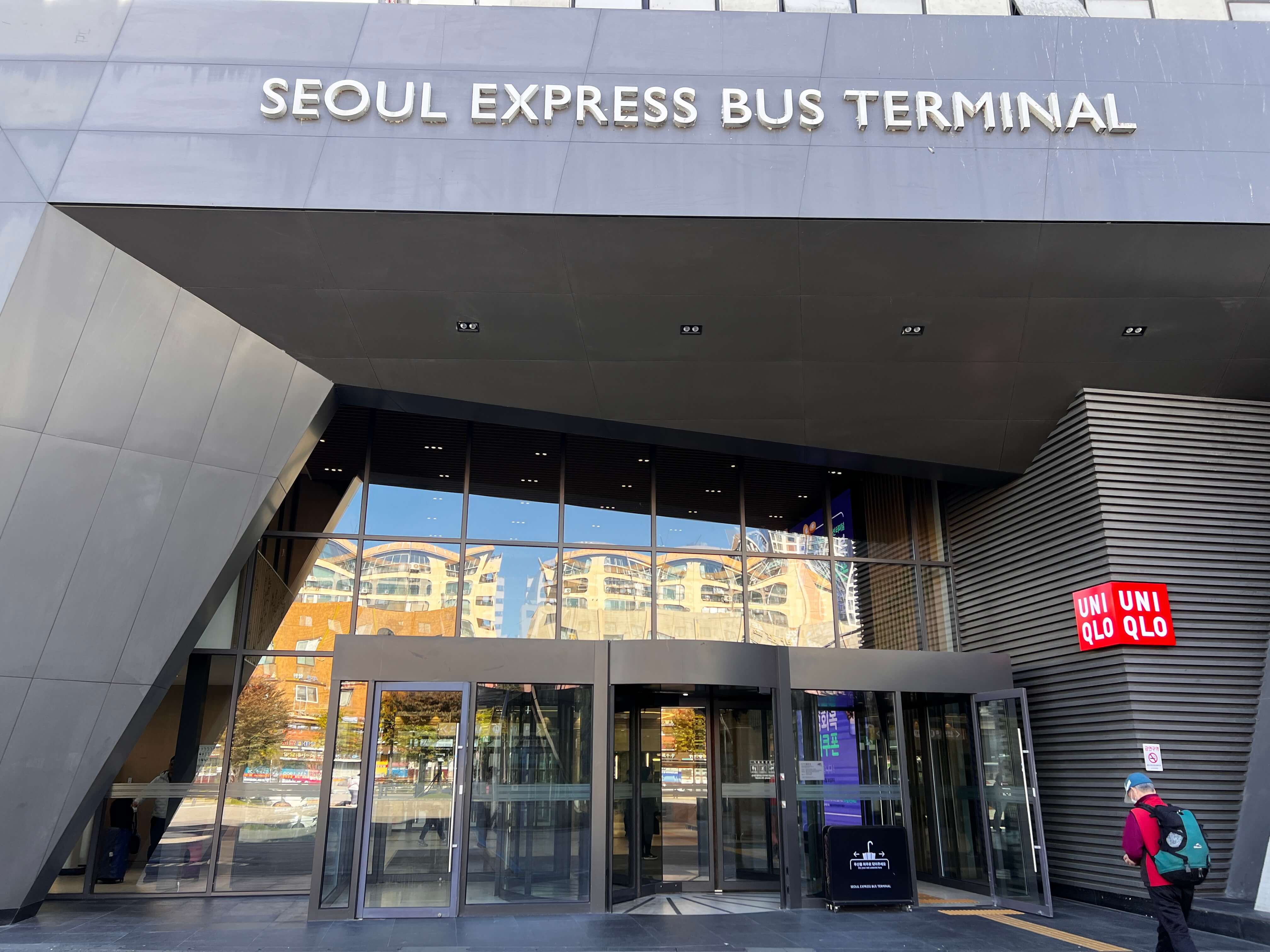
- Departure: Seoul Express Bus Terminal. You can get there via Subway Lines 3, 7, and 9. Just follow the signs for the “Gyeongbu/Yeongdong Line” inside the massive station. (Location on Kakao Map | 고속터미널 )
- Arrival: Sokcho Express Bus Terminal – the terminal that’s closer to Seoraksan National Park. (Location on KakaoMap| 속초고속버스터미널)
- Getting to the park from here: take local bus 7 or 7-1 right across the street (about 40 minutes, pay with a T-Money card) or grab a taxi from the stand out front (about 20 minutes, ~15,000-20,000 KRW).
Option 2: Intercity Bus (Best if You’re Prioritizing Town and the Beach)
Some Seoul-Sokcho services run on the Intercity line and arrive at the Sokcho Intercity Bus Terminal instead. (Location on KakaoMap | 속초시외버스터미널)
While it is a bit further from the national park, it is so much closer to central Sokcho: the market, Abai Village, and the Yeonggeumjeong Pavilion.
- Departure: check your operator when booking — Intercity services also run from Seoul, sometimes from a different terminal than the Express line.
- Arrival: Sokcho Intercity Bus Terminal.
- Getting to the national park from here: catch local bus 7-1, which specifically routes past the Intercity Terminal (bus 7 mainly loops the Express Terminal side of town, so 7-1 is your safer bet here) — about 30-40 minutes to Seoraksan.
Getting Back to Town After the National Park
When you’re done at Seoraksan, catch the same local bus, either 7 or 7-1, whichever comes first – heading back the way you came.
They run every 17-20 minutes through the day, so you won’t be waiting long. Routes and numbers can shift with local transit updates, so double-check current signage or the T-Money GO app once you’re there.

How to Book Your Bus Ticket
Since there’s basically zero margin for error, book before you go. If you miss a bus in the morning, it’ll cut your daytime in Sokcho a little short.
As a traveller with a foreign credit card, you have two options. Grab your tickets in advance using the Klook app, or buy the physical tickets at the terminal ticket counters or automated kiosks on site.
If you have a local credit card, then it is a different story. You can either use the TmoneyGO app or the Kobus website. Foreign-issued credit cards are generally not accepted on either platform. I’ve tried, so let me save you from wasting time.
Weekend buses sell out fast, so try to book at least 2-3 days ahead.
My “Golden Rule” Tip: Book the Premium Bus (Gold Class). It costs a little more than the standard ‘Excellent’ bus (see the budget breakdown at the end for a clearer idea), but it’s absolutely worth it for a trip like this.
The seats recline almost flat; you get privacy curtains, charging ports, and sometimes even a TV screen. You need to sleep on the way there and back to survive the day.
Think of it as your hotel room on wheels, like a business-class flight!
Just want to do Seoraksan National Park and skip the DIY planning? No worries, you can also book a tour from Seoul by bus!
Day Trip or Stay Longer? Decide in 30 seconds.
Before you book anything, you can work out which version of Sokcho actually fits your trip. Here’s my honest takeaway :
| Day Trip from Seoul | Staying 2-3 Days | |
| Best for | Tight itineraries, budget travelers, one specific goal (hiking Ulsanbawi) | First-timers who want the full mountain + coast experience without rushing |
| Cost per person | ~100,000 KRW (~$75 USD) | ~250,000-350,000 KRW+ (~$190-260 USD) incl. 1-2 nights’ hotel |
| You’ll comfortably fit in | Ulsanbawi hike, market, beach (rushed) | Ulsanbawi hike, Abai Village, Yeonggeumjeong Pavilion, snow crab dinner, sunrise |
| You’ll have to skip | Abai Village, Yeonggeumjeong Pavilion, a proper seafood dinner, sunrise | Nothing major |
| Wake-up call | 5:00 AM | Whenever you want |
*Bus fares, park fees, and schedules below were confirmed at the time of writing. Always double-check current pricing when travelling.
Set on the day trip? Keep scrolling because the full plan is below.
Want the 2-3 day version instead, with everything you’d add if you stayed? Read my Best Things to Do in Sokcho Guide for the full breakdown.
The Day Trip Itinerary & Timeline
To make this work, you should book the 6:00 AM departure from Seoul, with an expected arrival around 8:30 AM in Sokcho.
This will give you a full morning for hiking before the midday heat—and the crowds—set in. If you leave any later than 7:00 AM, you risk running out of daylight or getting stuck in Seoul’s notorious morning traffic, which cuts into your beach time later.
So here is how your day would look for a day trip to Sokcho from Seoul.
05:00 AM: The Early Wake Up
Set your alarm around 5:00 AM. Painful? Yes. Necessary? Absolutely. Head over to the Seoul Express Bus Terminal. The subway only opens at 5:30 AM, so get a taxi if your hotel is far from the terminal.
Tip: The terminal is huge and can be confusing when you’re half-asleep. Give yourself at least 15 minutes to find your platform (Gyeongbu Line). Grab some gimbap (seaweed rice rolls) from the convenience store at the station—you’ll need the carbs later!
06:00 AM – 08:30 AM: The Nap (Seoul to Sokcho)
The bus departs at 6:00 AM. It’s a smooth trip, and waking up to see the view shift from gray city blocks to misty green mountains is pretty magical.
Remember I told you about the Premium Bus? Yes, it paid off. It will give you the comfort you need to recline, relax and sleep for the whole ride, getting your legs ready to hike up Ulsanbawi Peak.
Pro Tip: If you are not planning to hike up Ulsanbawi Peak and represent just visiting the grounds of the national park, feel free to depart later if you’d prefer. They do have cable car services at the national park too if you’re short on time!
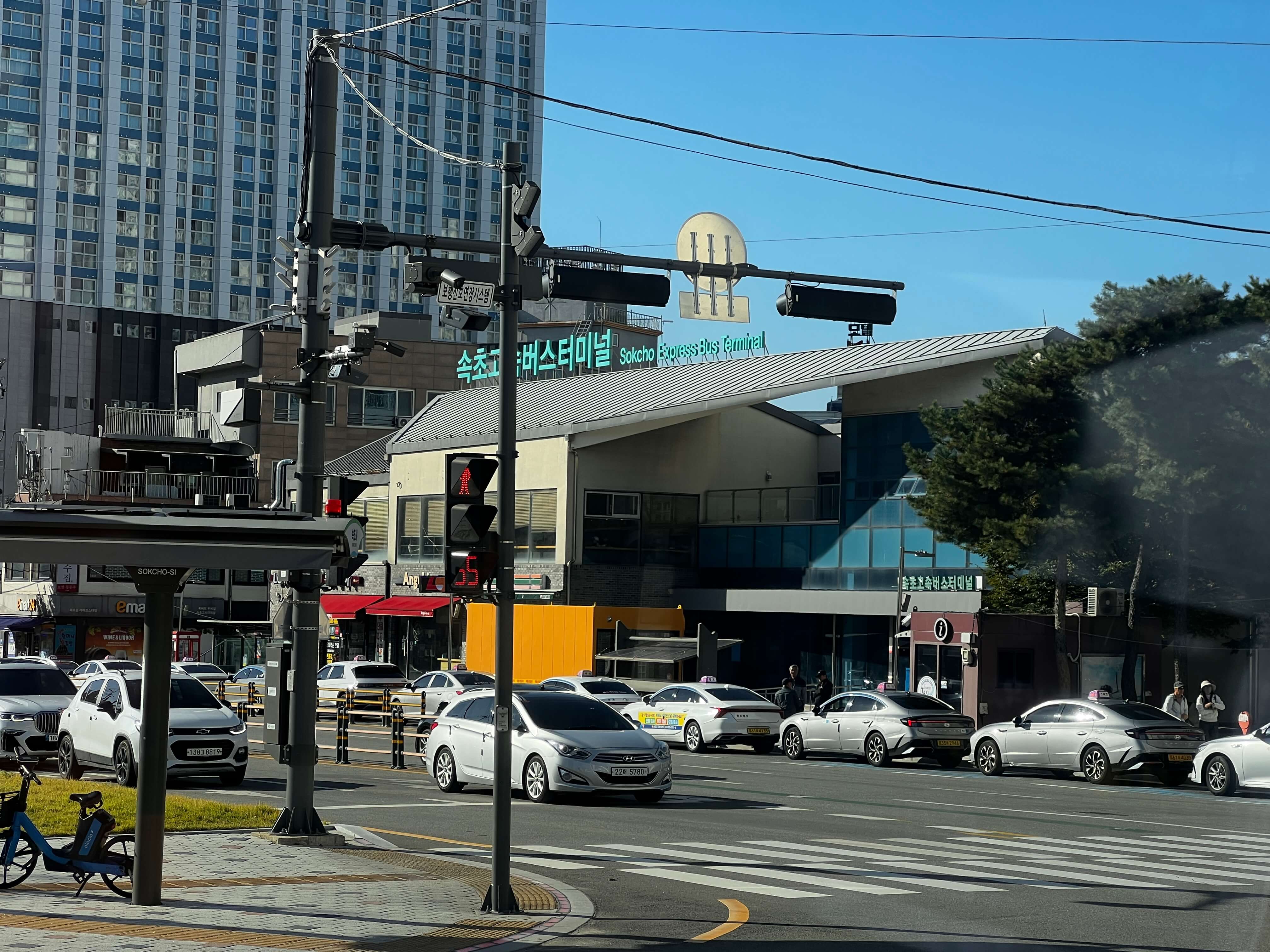
08:30 AM: Arrival & The Dash to the Park
Once you arrive at the Sokcho Express Bus Terminal, make your way to the park by either local bus or a taxi.
You can take local bus 7 or 7-1 right across the street, using your T-Money card. It takes about 40 minutes and gets crowded. Or, you can hop in a taxi, which takes about 20 minutes. The taxi stand is located right in front of the express bus terminal.
A taxi costs about 15,000 – 20,000 KRW, but saving those 20 minutes is worth every won to beat the crowds. Plus, the taxi drops you closer to the park entrance than the bus stop.
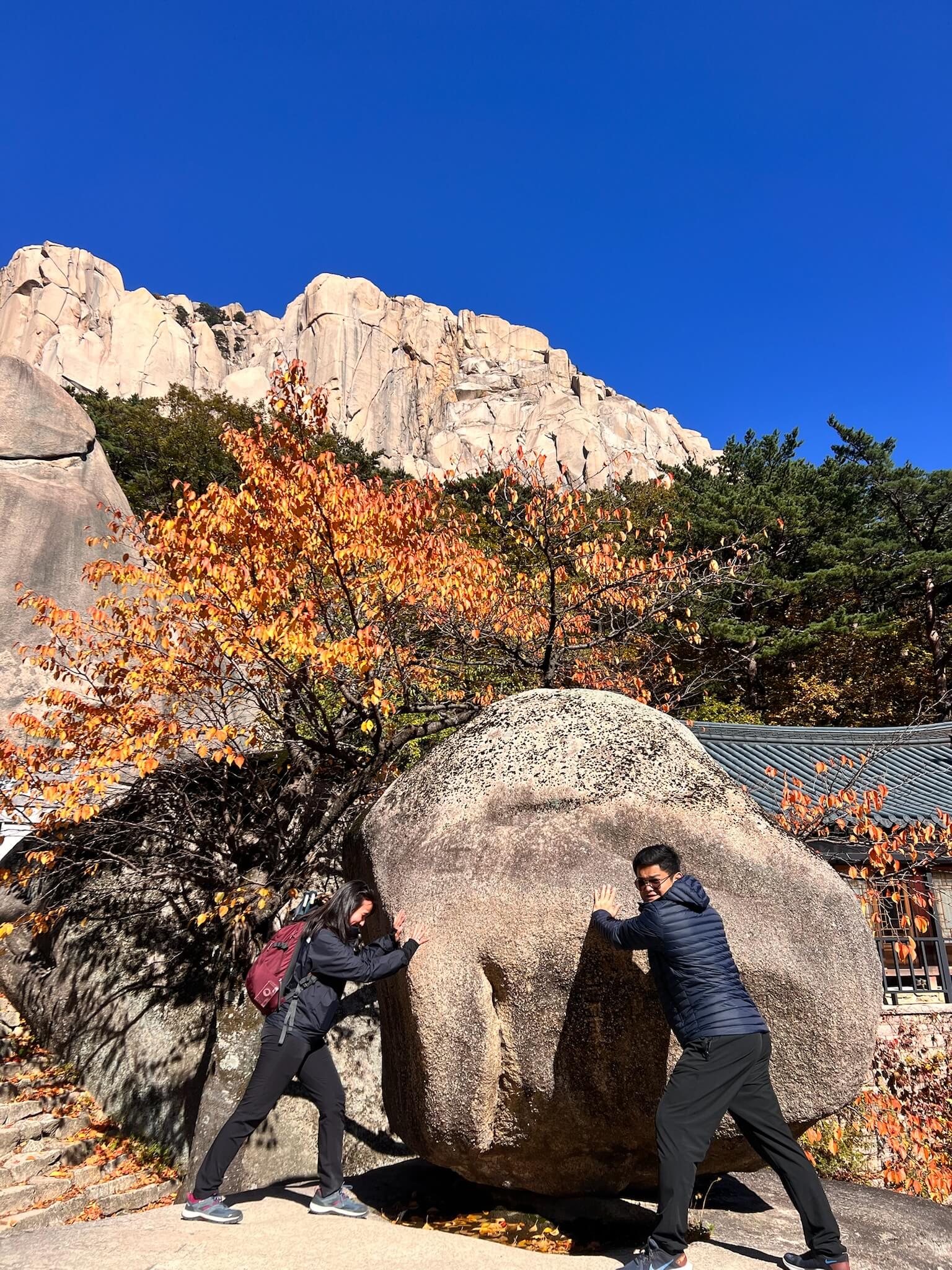
09:00 AM – 01:30 PM: Exploring Seoraksan National Park – Hiking Ulsanbawi
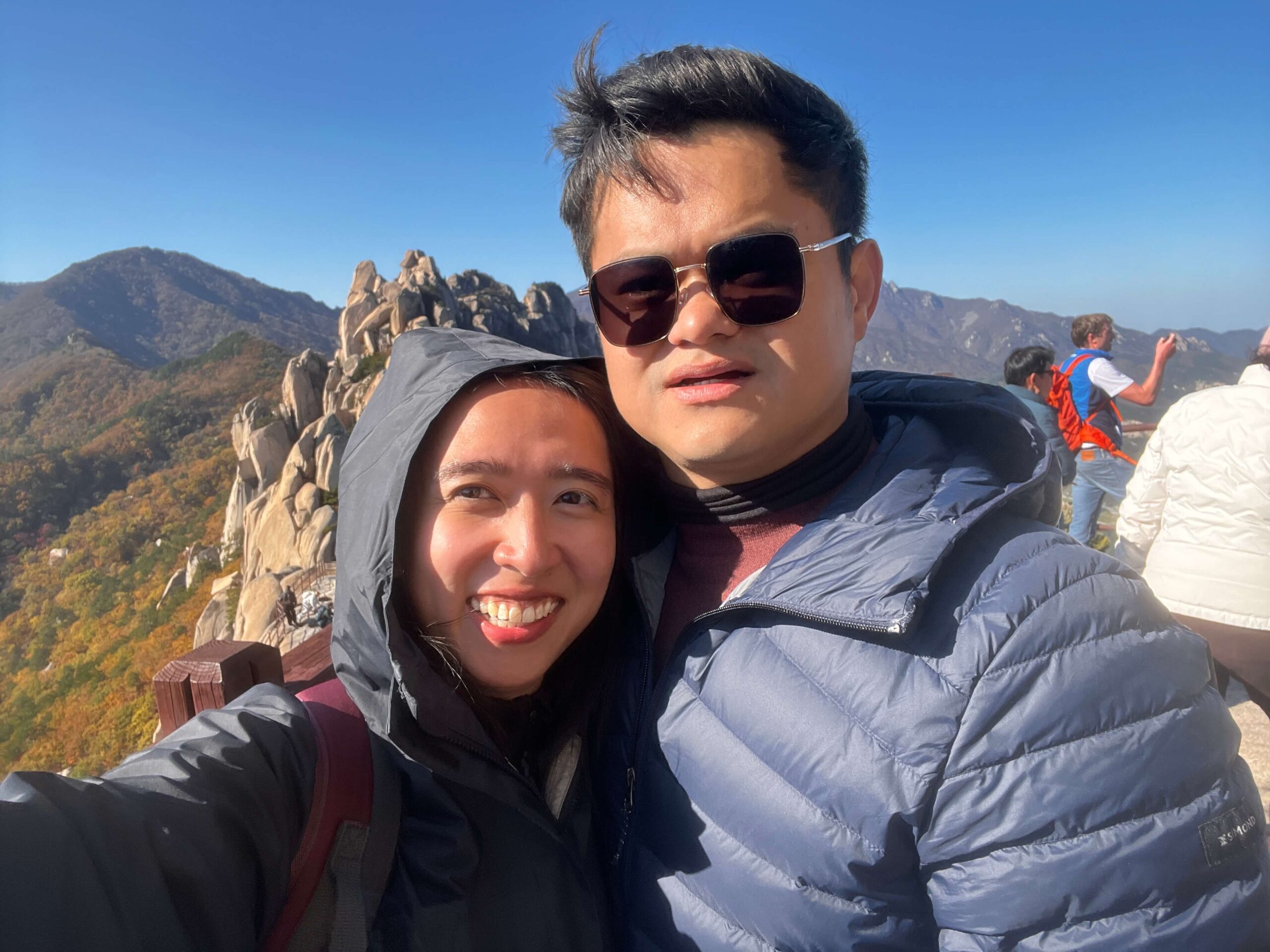
Once you arrive at the grounds of the national park, feel free to roam around and enjoy the fresh air. I went during autumn, and the colours were mesmerising!
Here’s how the timing breaks down if you’re squeezing this into a single day:
- 09:00 AM — Start the trail at Sinheungsa Temple, past the giant Bronze Buddha.
- 09:30 AM — Reach Heundeulbawi (Tottering Rock) — your last easy rest stop before the real climb starts.
- 10:00 AM – 11:30 AM — The stairs. This is the toughest stretch, and the one most likely to eat into your schedule if you’re moving slower than planned.
- 11:30 AM — Summit. Take it in, but keep half an eye on the clock if your bus back is booked.
- 12:00 PM – 01:30 PM — Descend to the park entrance.
Want the full trail breakdown — difficulty rating, what to pack, what each section actually feels like underfoot? I’ve written the complete guide here: Hiking Ulsanbawi Rock: A Reality Check.
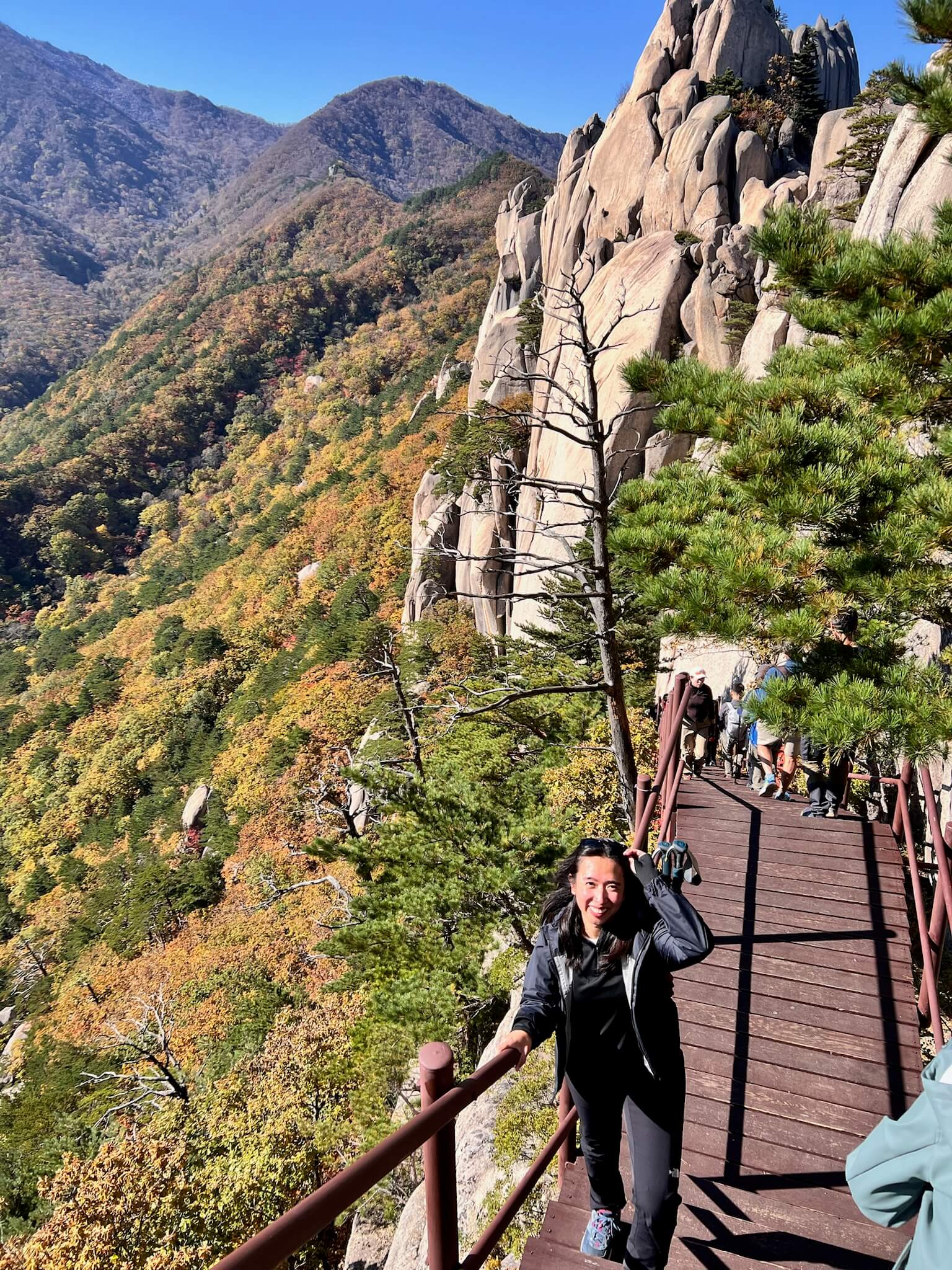
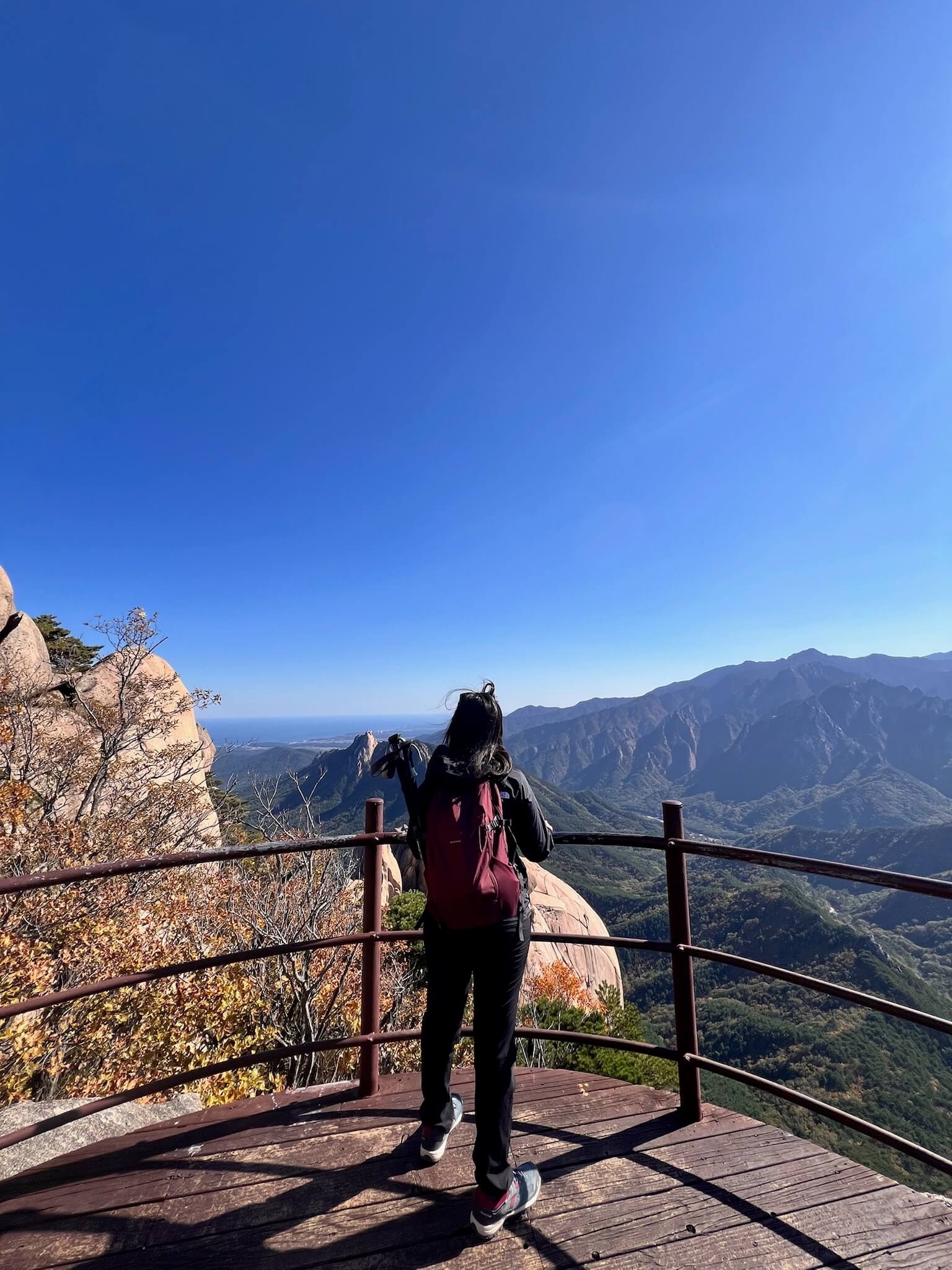
Timing can vary with your pace, so build in a buffer before your target bus back to Seoul.
Other things you can do at Seoraksan National Park:
- Ride the cable car up to the mountains (See Official Website)
- Explore easier trails with a waterfall, like Towangseong Waterfall Trail
- Relax at the cafe in the national park
01:30 PM – 02:30 PM: The Victory Meal
By the time we got back to the entrance, we were absolutely starving. There is a row of restaurants right near the ticket office, and the smell of sesame oil and frying pancakes is irresistible.
We ordered Haemul Pajeon (Seafood Pancake), packed with green onions and squid, and Wild Vegetable Bibimbap.
Not sure if it was because we were mad hungry, but it tasted amazing after the hike! Then, have a small bowl of Makgeolli (rice wine), which is the traditional hiker’s finish-line drink! So refreshing!
02:30 PM – 06:30 PM: Sokcho Beach & Market
Here are the things you can explore in the afternoon with your jelly legs:
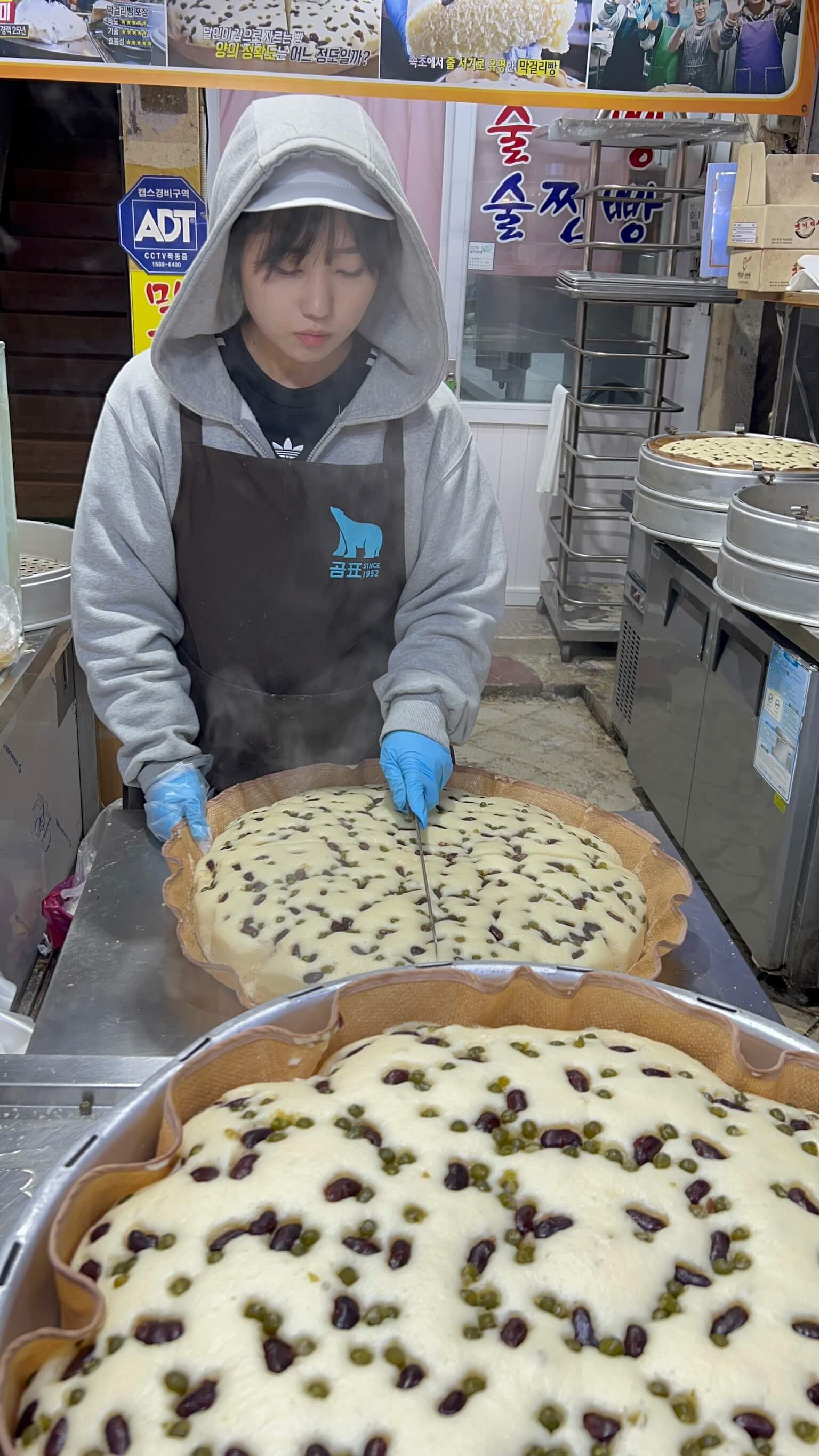
- Sokcho Tourist & Fishery Market: The market is buzzing with energy, filled with stalls selling dried fish, squid bread, and deep-fried shrimp. Grab the famous soft, fluffy steamed bread Sul-ppang (Korean rice wine bread) to go before heading back to the bus.
- Abai Village: This is a small village with a deep history. It was settled by North Korean refugees during the Korean War who were waiting to return home but sadly never could. You can reach it by taking a unique “manual pull-ferry” across the water!
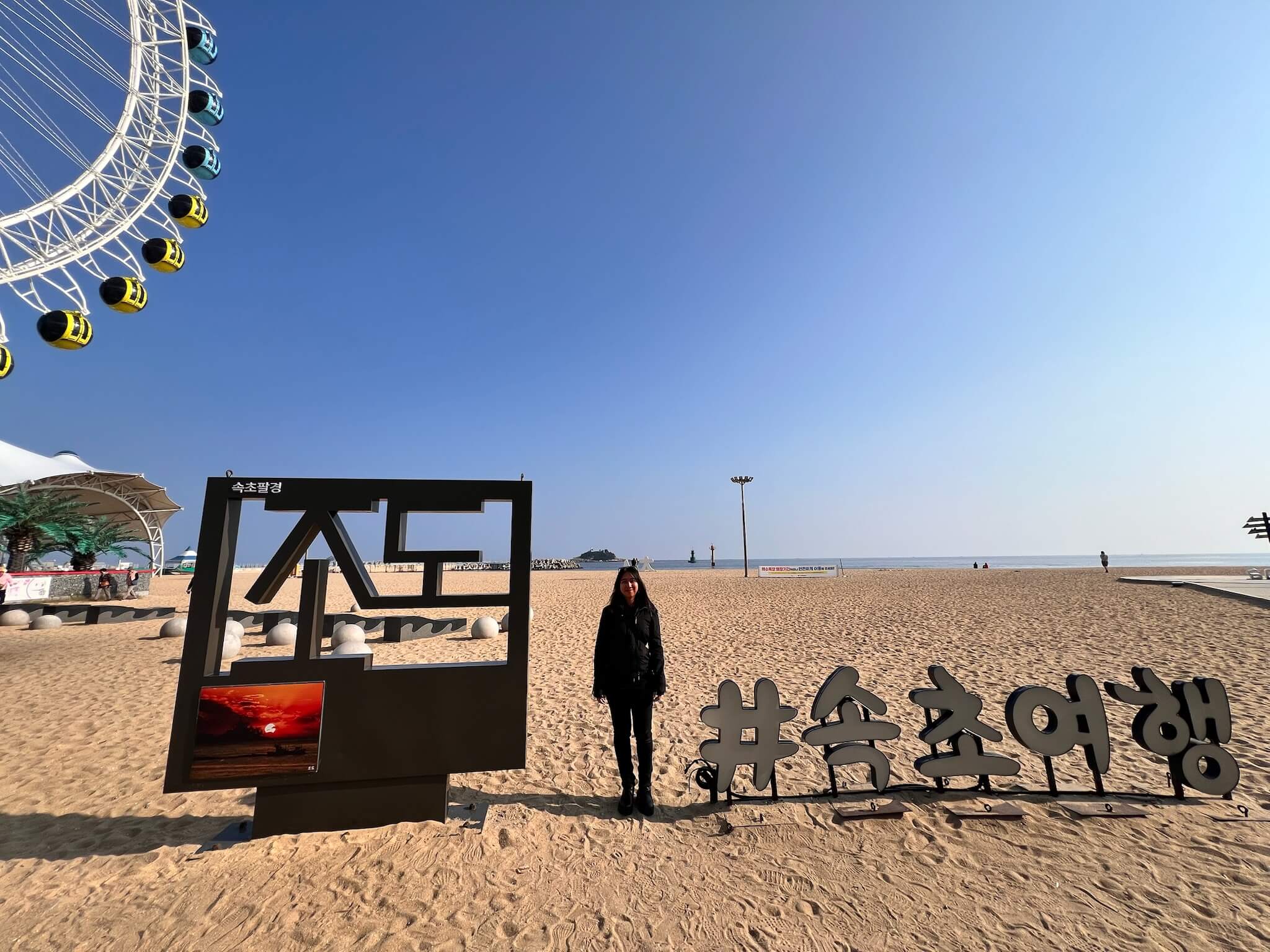
- Sokcho Beach: We snapped photos of the Sokcho Eye Ferris wheel and dipped our toes in the water. The contrast between the jagged mountain we just climbed and the soft sand beach was surreal. It’s a great spot to just sit and let your legs recover.
Bonus Tip: I found out about the Gangwon Tourist Taxi services when I reached Sokcho. This taxi service allows you to discover Sokcho in just three hours with your own private taxi and driver! It is something you can consider if you’re planning to visit Sokcho but don’t want to deal with navigating public transport.
08:00 PM – 10:30 PM: The Return
Once you are done and ready to head back from Sokcho Beach, walk your way back to the express bus terminal (it’s very close!) and get on the 8:00 PM bus back to Seoul.
You’d probably be fast asleep before you even hit the highway, feeling exhausted but at the same time, incredibly accomplished.
What to Pack for a Day Trip
Since you aren’t checking into a hotel, you have to carry everything with you all day. Keep it light!
- Daypack: A small 20-30L backpack is plenty. You don’t want a heavy bag dragging you down on the stairs.
- Power Bank: Essential. Your phone is your map, camera, and translator, and the long bus ride will drain your battery if you aren’t plugged in. I had two!
- Water & Snacks: Buy water at the park entrance to save weight during the bus ride. Bring chocolate or nuts for that summit energy boost.
- Change of Clothes: A fresh t-shirt and socks for the bus ride home. You will sweat on the hike, and sitting in damp clothes on a bus is uncomfortable and chilly.
- Windbreaker: It gets windy at the peak and chilly in the evening near the coast, no matter the season.
The Budget Breakdown (Per Person)
Here is the budget breakdown for a day trip to Sokcho from Seoul. It’s way cheaper than a 2-day trip since there’s no hotel bill!
- Bus Tickets (Round Trip): ~41,000 KRW (Excellent) / ~66,000 KRW (Premium)
- Taxis: ~20,000 KRW (Split between 2 people)
- Food & Drink: ~30,000 KRW (Breakfast, Lunch, Snacks, Coffee)
- Park Entrance: Free (National Park entrance fees were recently abolished for major temples, but check current policies before you go!)
- Total: Approx. 110,000 KRW (~$81 USD)
Ready to lock in your dates? Book your bus ticket here to ensure a comfortable return journey.
Convinced by the story but not sure you want to rush it? Browse Sokcho hotels near the beach because this is the area I’d start with if you decide to stay overnight instead.
Final Thoughts & Honest Verdict
Here’s the thing: this entire trip depends on the bus schedule.
While the bus is available throughout the day, the goal is to get there as early as possible to explore Seoraksan National Park, especially if you are aiming to hike Ulsanbawi Peak.
Since there’s basically zero margin for error, you can’t just show up at the station and hope for the best. If you miss a bus in the morning, it’ll cut your hiking time short.
So, book your tickets online before you even wake up.
What did I do? I got my ticket physically at the Seoul Express Bus Terminal in advance because I wanted to familiarize myself with the Bus Terminal, and thank god I did.
I was lost for a bit because the place is huge and is connected to 3 different malls – GOTO Mall, Shinsegae, and Central City Complex!
Doing a day trip from Seoul to Sokcho may sound a little tiring and exhausting, especially when you are doing long hikes at Seoraksan National Park.
On the other hand, you get to experience seeing one of Korea’s most beautiful landscapes without sacrificing 2-3 days of your itinerary while saving money on accommodation, which you can put towards a nicer hotel in Seoul or Busan.
If you do have the time to spend, I’d recommend you to stay a night or two. This gives you ample time to explore the town at your own pace. Plus, Sokcho has a lovely vibe that deserves a slow evening and a sunrise over the ocean.
Also, the view from Ulsanbawi is a memory that will last a lifetime, and the exhaustion fades after a good night’s sleep back in Seoul. Well, the muscle pain stayed for a few days! Hehe.
It was one of the wildest, most rewarding adventures of my entire 14 days in South Korea. Sure, it was physically demanding, but swapping the concrete jungle of Seoul for the dramatic granite peaks of Seoraksan and the salty air of the East Sea was so worth it!
Happy exploring Sokcho and Seoraksan!
Related Posts in South Korea:
- Looking for a hiking alternative inside Seoul? Read my detailed guide to Hiking Yeongbong Peak in Bukhansan (Uiryeong Trail)
- Want to see how this fit into my bigger trip? Check out my full 14-Day South Korea Itinerary.